

What arrives. What it produces.
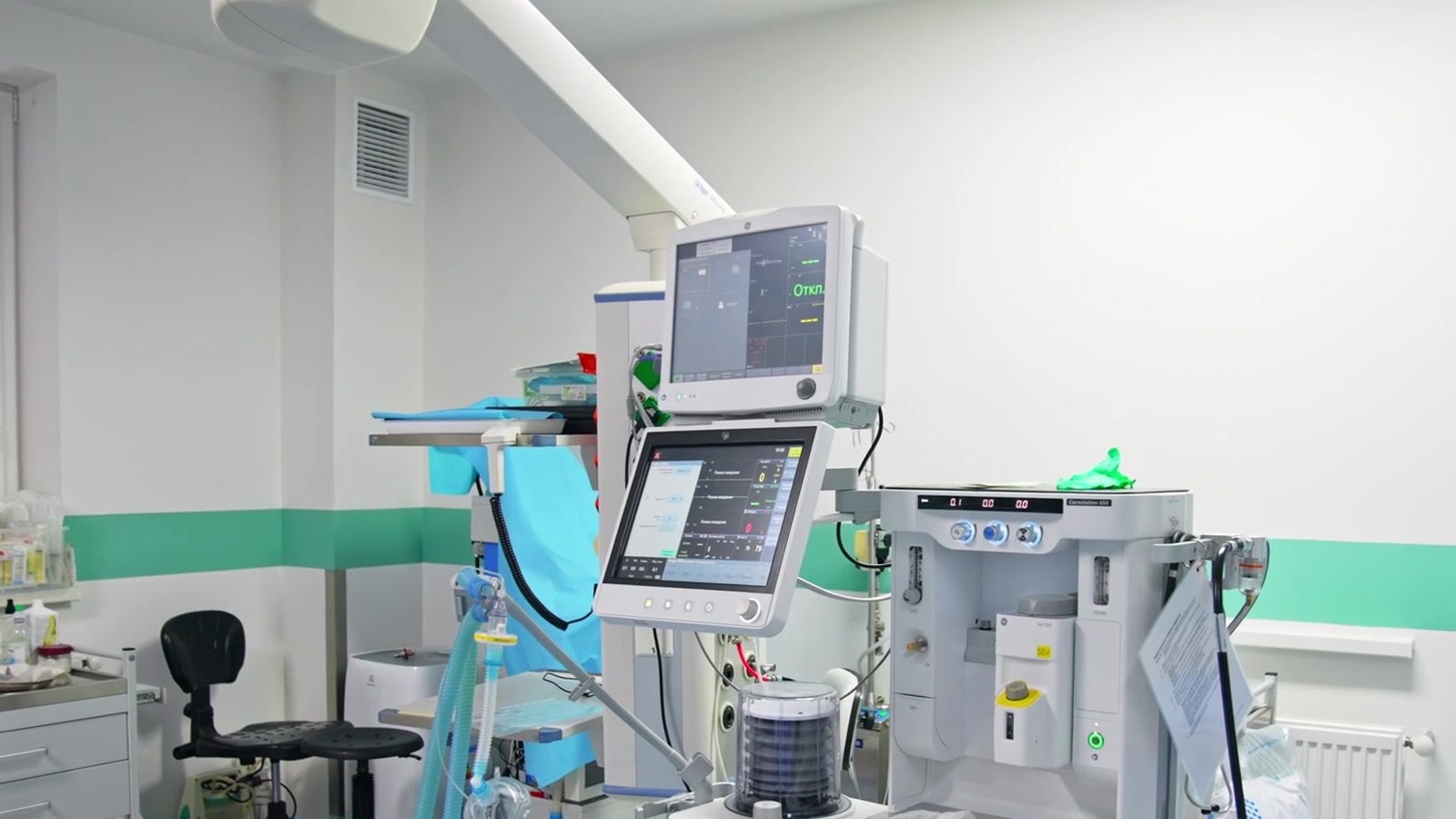
The anesthesia setup that comes into your operatory, and the parameters it monitors once the case begins.
On arrival / Mobile setup
The anesthesia setup
comes to your office.
The anesthesia workstation travels in Aspire’s lift-equipped vehicle and is rolled into your operatory for the case. When treatment and recovery are complete, it leaves with us.
Clinical setup / Items to confirm
More than an additional clinician.
A coordinated anesthesia setup.
The setup is coordinated for the patient, procedure, clinician, and office. Equipment and responsibilities are confirmed through clinical and office review, including applicable regulatory requirements.
- Anesthesia delivery
- Workstation, ventilation, vaporizer, and case-appropriate scavenging arrangements are reviewed for the proposed care.
- Monitoring and assessment
- The anesthesia clinician confirms the monitoring configuration and the assessments appropriate to the case.
- Airway, oxygen, and suction
- Review airway equipment, difficult-airway resources, oxygen supply, suction, and backup arrangements.
- Emergency resources
- Confirm medications, defibrillator access, response plans, and case- and location-specific requirements, including malignant hyperthermia preparedness where applicable.
Attend / What we measure
What is monitored.
What is assessed.
Data informs. Judgment guides.
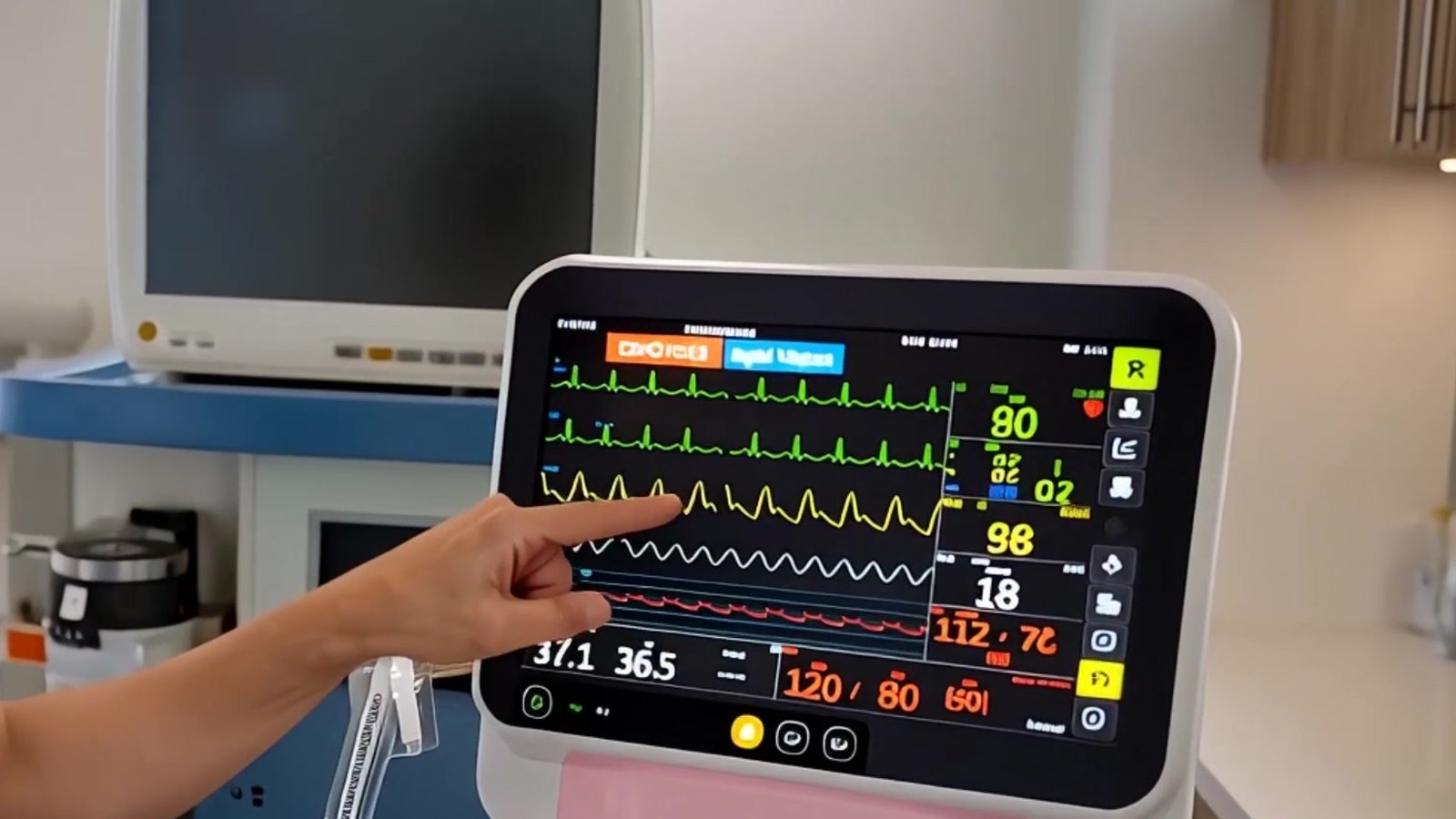
Monitoring provides data. Clinical assessment interprets it. The record documents the parameters and assessments appropriate to the case.
Not every parameter is continuous. Blood pressure is cycled; depth of sedation, airway patency, fluid balance, and recovery require clinical assessment or charted review.
Monitoring and assessment details
- Heart rate
- Rate and trend.
- ECG rhythm and morphology
- Rhythm and waveform characteristics.
- Oxygen saturation
- Pulse-oximetry measurement.
- End-tidal CO₂
- Exhaled carbon dioxide and waveform.
- Respiratory rate
- Breathing rate and trend.
- Blood pressure
- Measurements at clinically appropriate intervals.
- Temperature
- Measurement as indicated by the case.
- Depth of sedation
- Clinical assessment through the case.
- Airway patency
- Ongoing assessment of the airway.
- Drug dosing and timing
- Medication administration record.
- Fluid balance
- Documented assessment as applicable.
- Recovery scoring
- Assessment before discharge.